There are two ways to eat the orange of Montemorelos. The first, squeezed at the roadside stand, we already covered in Cuaderno 01. The second is slower and more stubborn: frozen, hand-churned in a tub of salt and ice, served in a cone in the plaza. This installment is about that — the ice cream shops in the center, which are, without exaggeration, a map of the valley written in cold.
This is the third installment of Cuaderno del Valle. The previous two ended with the same promise — the ice cream shops — and here they are.
Snow, Not Ice Cream
First, a distinction that is respected in the north: this is snow, not ice cream. Ice cream has cream and a machine; the snow here is water or milk, real fruit, and arm power. The good kind is still made *garrafeada* — the metal tub turning inside a basin of ice with coarse salt, someone stirring until it sets. You can tell in the texture: garrafeada snow is not factory-creamy, it is clean, with the flavor of the fruit up front and without that even sweetness that covers everything.
The Three You Need to Know
We are not going to invent a guide to twenty places. In the center of Montemorelos there are three flavors worth the trip, and that is enough:
- Burnt milk. The signature flavor of the northeast and the litmus test of any ice cream shop: milk cooked slowly until it takes on a caramel tone, with that almost toasted base. If the burnt milk is good, everything else will be good.
- Pecan. We are in walnut country; pecan is from the region, not from a bag. A well-made pecan snow here tastes like tree, not essence.
- Orange — the seasonal one. This is the one the title promises. There is a stand that only makes it when there is real orange in the valley (from November to March, more or less); the rest of the year, if you ask for it, they tell you no with pride. That stubbornness — not pretending it is in season — is the best sign that the rest is honest too.
The rule for finding them is the same as for the whole valley: where there is a line of local people in the middle of the afternoon, that is where it is. Good snow does not need a big sign.
The Best Plan Is the Simplest One
A cone is not planned, but it can be choreographed:
- After lunch: the cabrito from Cuaderno 01 or the river day from Cuaderno 02 call for a sweet ending. Snow is the natural closing point of the day in the valley.
- The time: between five and seven, when the heat drops and the plaza fills up. The center of Montemorelos at that hour — trees, bench, cone in hand — is the full postcard.
- The amount: two flavors in one cone, not one. Burnt milk on the bottom, the seasonal one on top. It is what everyone who knows asks for.
Why We Are Telling This
We could talk about price per square meter. Instead we are talking about snow, because a place is not bought by its technical sheet: it is bought by how it feels to be there on a Sunday at six in the evening. The valley tastes like cold orange and burnt milk, and that does not appear in any appraisal.
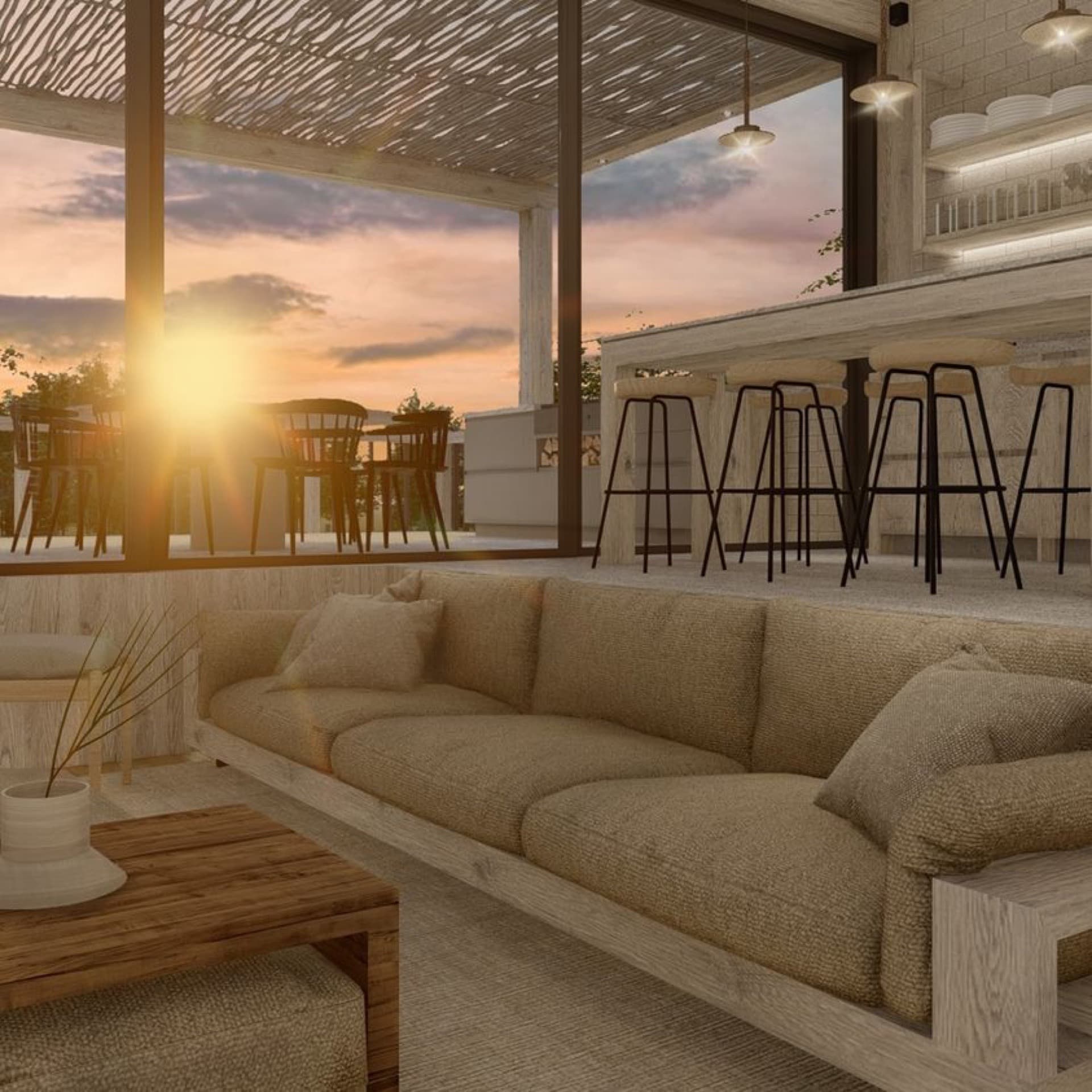
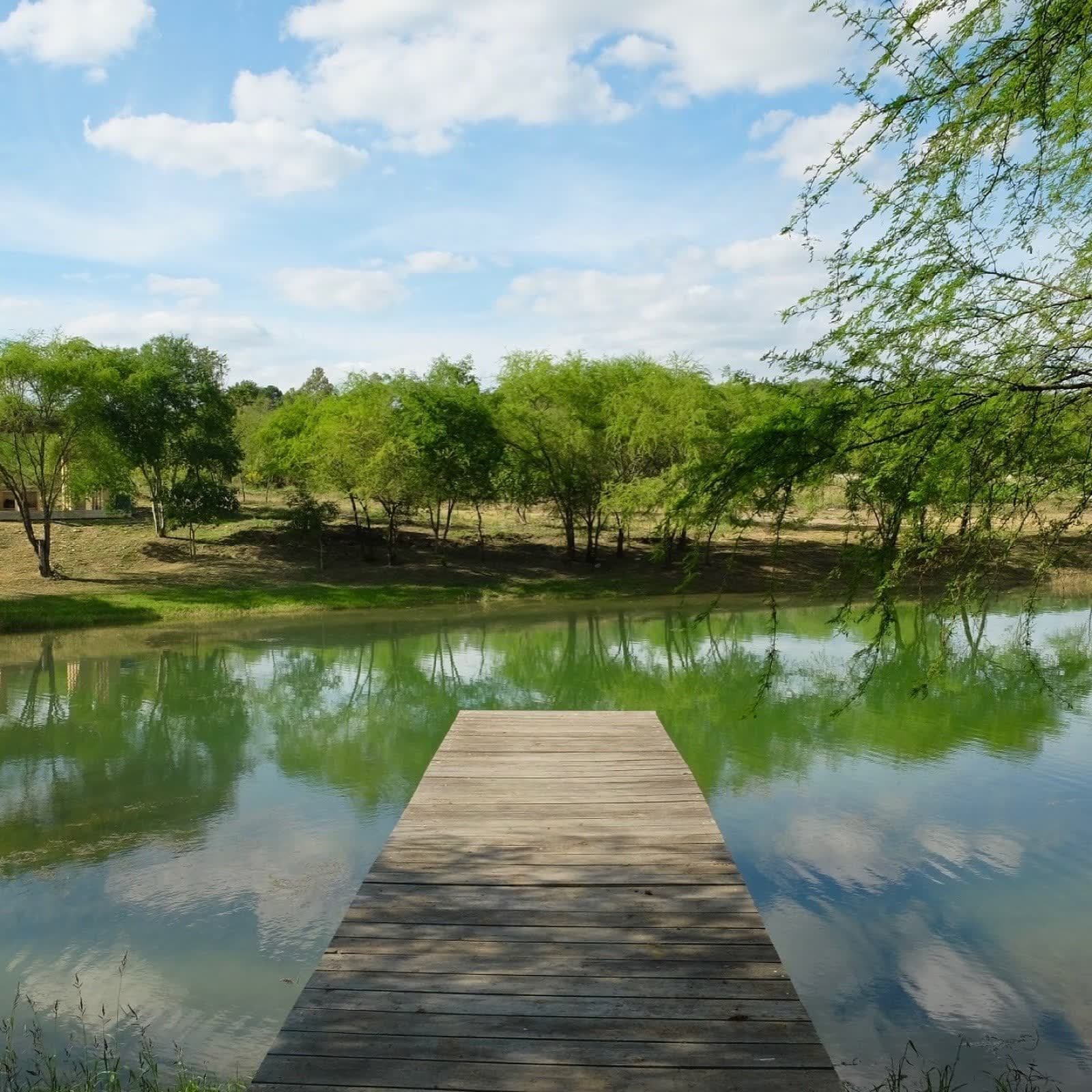
When someone has already come for the orange, gone into the river, and eaten the snow, the question stops being *whether* the valley is worth it and becomes *where*. That is where we come in: Cantera Real is fifteen minutes from this same plaza — natural lake, dock, valley — and Casa Cuarcita is rented by the night to try the whole Sunday without deciding anything: food, river, and a cone in the center before heading back. That is the route. The land is only the part that can stay.
*Next installment of Cuaderno del Valle: the people who stayed — those who arrived for a weekend and no longer found a reason to leave.*